

Killer Archetypes and the Limits of Explanation: Why We Misunderstand Serial and Neonaticide Crimes
From Harold Shipman’s two-decade deception to neonaticidal mothers concealing pregnancies in plain sight, our fascination with killers often obscures the deeper fractures these crimes reflect. What if

🧭 Introduction: Beyond the Monster Myth
We binge on true crime like a cultural comfort food. Yet even as we pore over psychological profiles and grisly details, we fail to interrogate the societal conditions that allow such violence to fester.
This piece draws on behavioural science (FBI Behavioral Analysis Unit), sociology (Soothill & Wilson on Shipman), and population-based judicial studies (Vellut et al. on neonaticide in France) to challenge the myth that killers are aberrations. Sometimes, they are made. Sometimes, they are ignored.
1. Classifying Killers: When Typologies Oversimplify
FBI and academic sources typically divide multiple homicide into three categories:
Mass murder: multiple victims in a single event.
Spree killing: multiple victims in multiple locations, with a slight cooling-off period.
Serial murder: three or more murders committed in separate events, often over months or years.
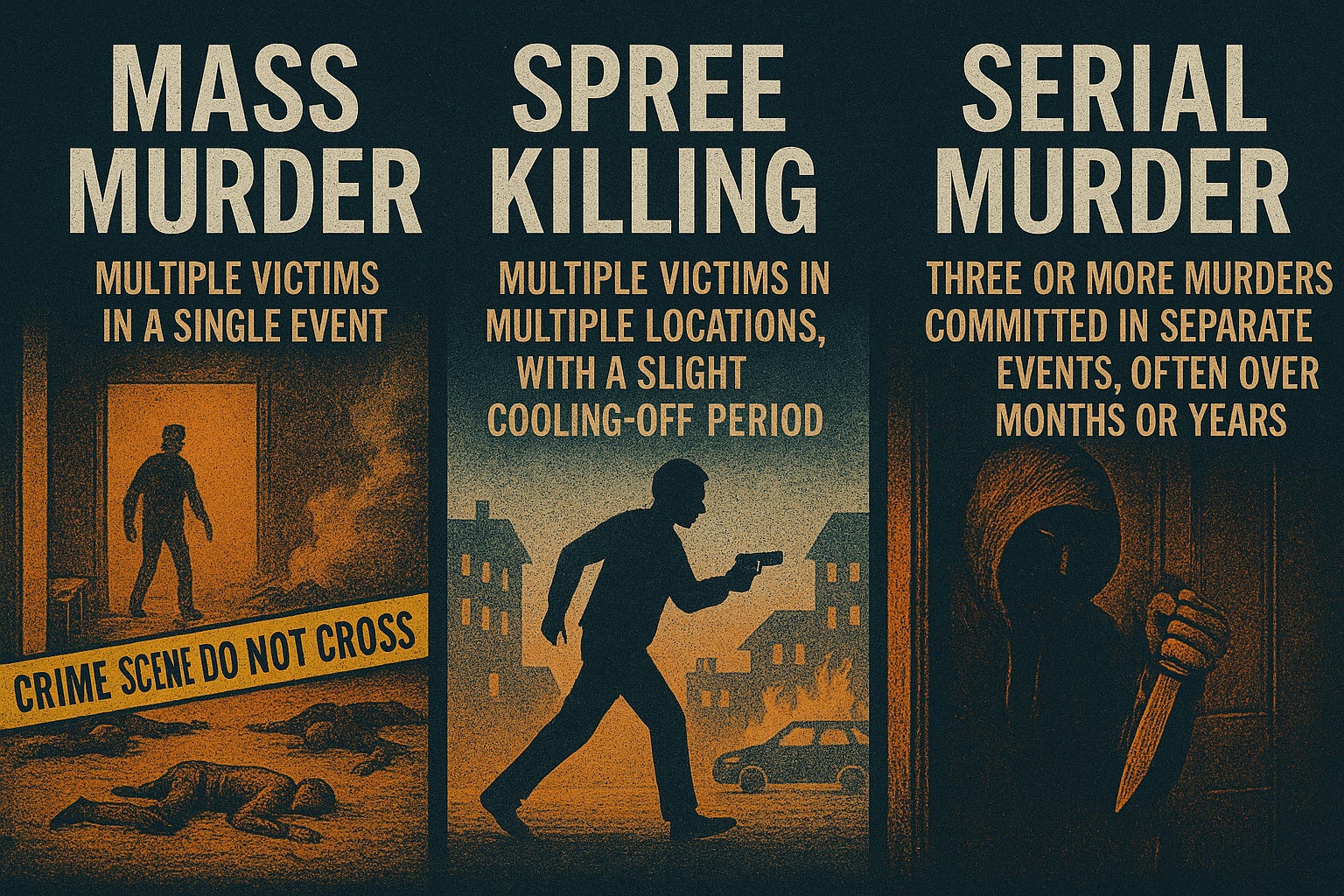
The FBI's comprehensive 2008 symposium report Serial Murder: Multi-Disciplinary Perspectives for Investigators admits the limits of these categories:
“There is no single identifiable cause or factor that leads to the development of a serial killer… [Only] a multitude of factors that contribute.”
🧩 And herein lies the problem: if no consistent psychological or biological profile exists, why do we cling to neat killer types?
2. Harold Shipman: The ‘Good Doctor’ and the Failure of Oversight
Dr. Harold Shipman murdered over 200 patients—mostly elderly women—while operating as a GP in a solo practice. His case is the clearest example of how:
Power + profession = impunity.
Trust in institutions can be weaponised.
Our obsession with individual pathology ignores regulatory blind spots.
“Shipman’s murders escaped attention for so long because ultimately there was inadequate social protection for the group on which he preyed.” — Soothill & Wilson (2007).
💡 In Shipman's case, psychological insight failed us. Sociological analysis—particularly Freidson's work on professional autonomy—offers more clarity.
🔗 Related: The Shipman Inquiry Reports
3. Neonaticide: Crimes of Silence, Not Psychosis
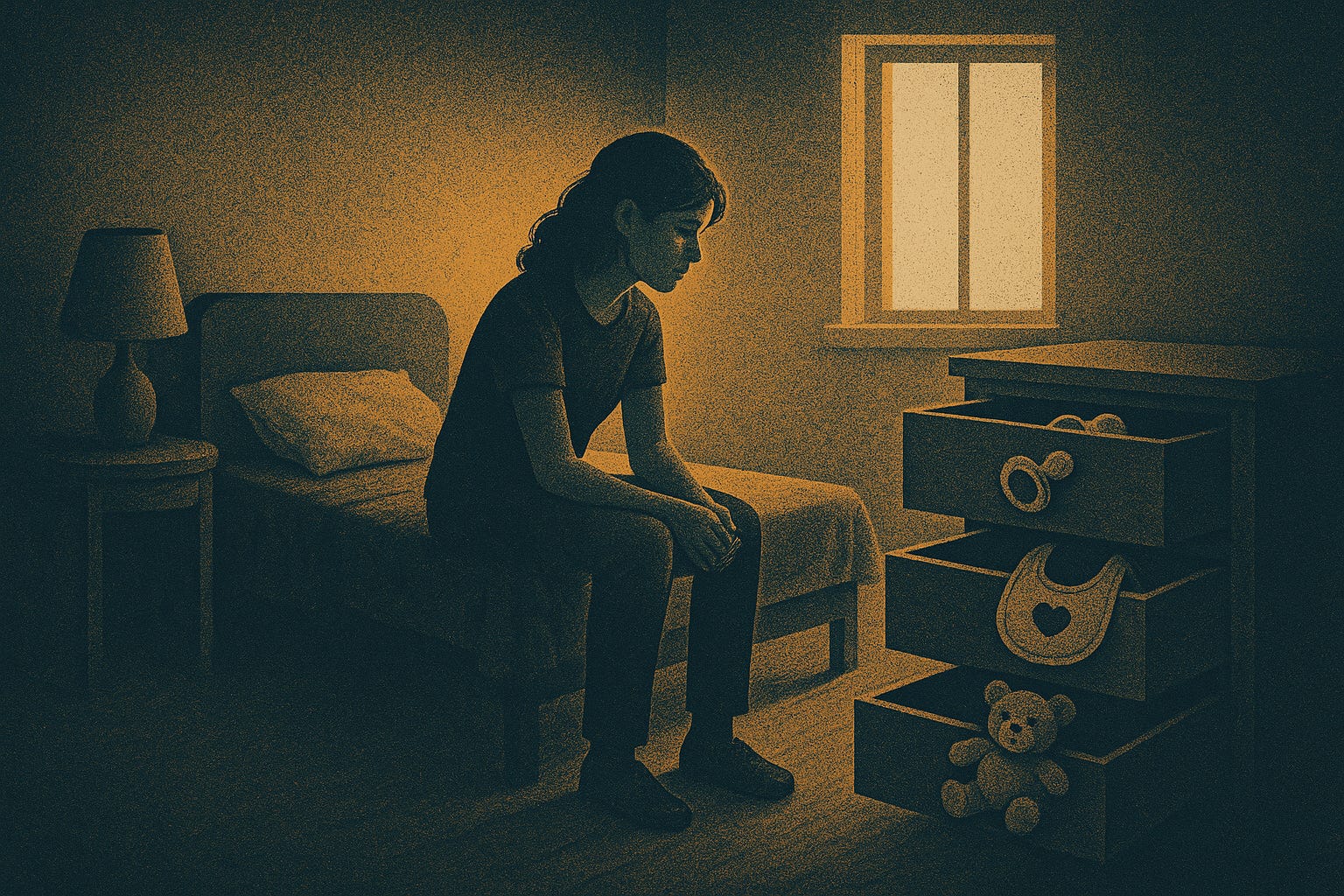
Neonaticide—the killing of a newborn within 24 hours—is often misrepresented as madness. But a five-year judicial study in France found a very different reality:
Most perpetrators were psychologically isolated, not psychotic.
Many knew they were pregnant but lived in denial and secrecy.
In 90% of cases, there was no prenatal care or support.
Families often suspected pregnancies—but did nothing.
“The term ‘denial of pregnancy’ cannot fully reflect the complexity of emotions… and contributes to pathologising women while absolving those around them.” — Vellut et al., (2012)
🔗 Study summary via ScienceDirect: Neonaticide and Denial of Pregnancy
👁️ Key takeaway: These crimes stem from social invisibility, not individual psychosis.
4. The Media: Who Gets Sympathy, Who Gets Forgotten
From Ted Bundy to Dahmer, media attention has sculpted the “serial killer” archetype: white, male, cunning. But what about:
Black or working-class killers?
Victims who are poor, elderly, sex workers, or marginalised?
“Media myths obscure investigation... Talking heads offer speculative commentary with no access to evidence.” — FBI BAU, (2008) serial-murder-july-2008…
⚠️ Example: The BTK killer sent taunting letters for decades. When the police followed an FBI media strategy, he finally sent a digital file that led to his capture. This shows the dual power of media: it can distract, but also entrap.
5. Why This All Matters: Blame as Distraction
Serial and neonaticidal killers differ profoundly. But both push us to ask:
Who do we choose to see?
What systems do we ignore?
Why are some victims investigated thoroughly—and others not at all?
🔍 Consider:
Shipman’s victims were elderly women, undervalued by society.
Neonaticidal mothers were not monsters, but unsupported and unheard.
Serial killer myths reinforce a view of evil that’s dramatic—but dangerously misleading.
✅ Key Takeaways
Serial murder typologies help, but oversimplify.
Individual pathology matters less than systemic failure.
Denial and silence—whether in families or institutions—are often fatal.
The media constructs heroes and villains in ways that obscure deeper truths.
🔁 Call to Action
📢 Share this article if you believe the real crime isn't just what these killers did—but what society ignored.
🧠 Join the conversation:
What does the true crime genre get wrong?
Who’s missing from the stories we tell about violence?
👇 Leave your thoughts in the comments below.
✍️ Closing & What’s Next
These crimes—so different on the surface—reveal one consistent pattern: societal neglect. Whether it's Shipman hiding in plain sight or a young woman giving birth in a bathroom alone, violence grows in silence.
Thanks for reading.
Next week: “Gender & Crime: When women kill”
Subscribe to stay in the loop.
— Paul